

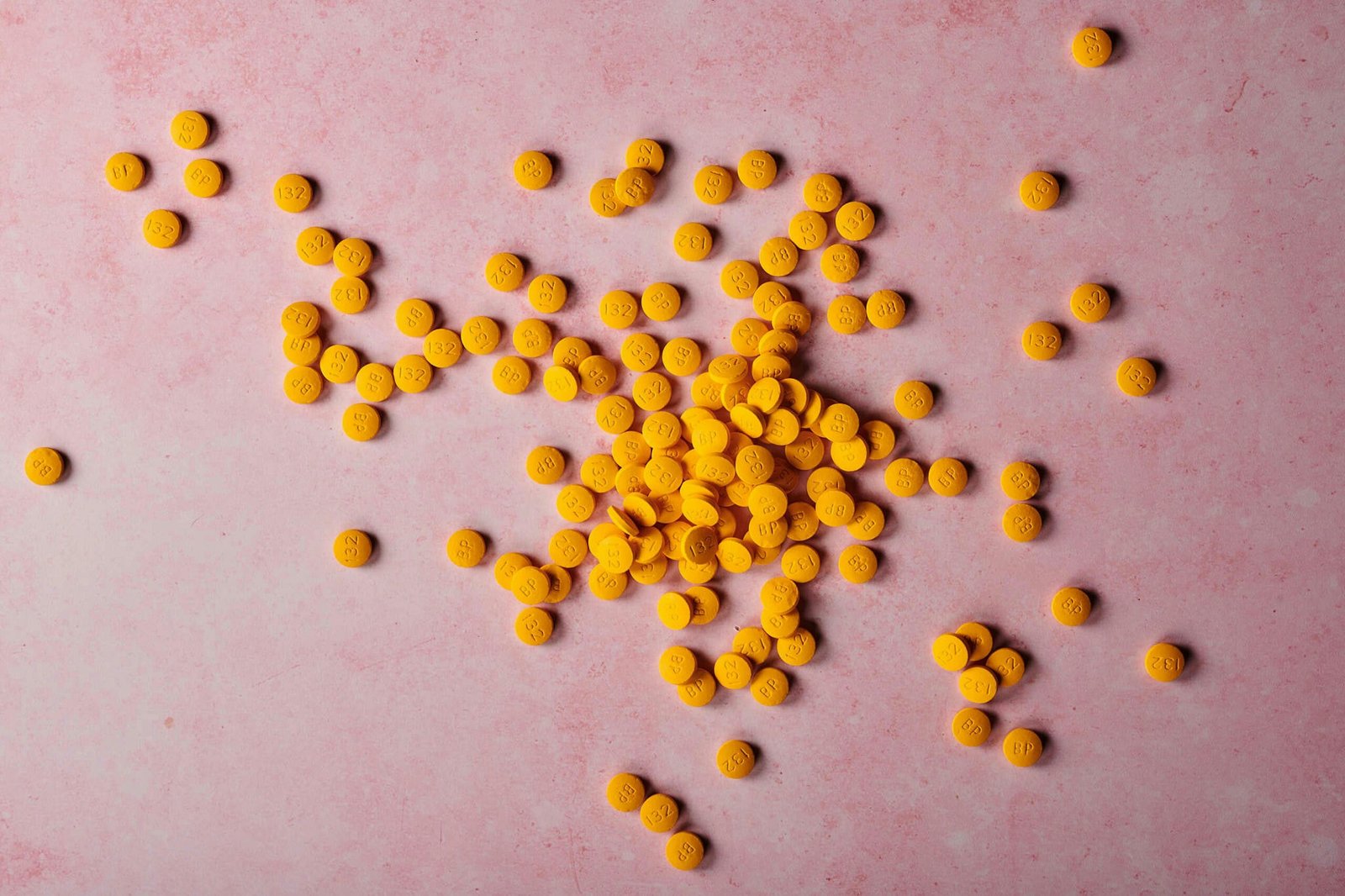
Understanding the Role of Binders in Tablet Formulation
Binders play a crucial role in the formulation of tablets in the pharmaceutical industry. They are substances that serve to hold the ingredients of a tablet together, enhancing the cohesion and mechanical strength necessary for effective dosage forms. By ensuring that the active pharmaceutical ingredients (APIs) remain localized within a unit dose, binders significantly contribute to the overall stability and performance of the tablet.
Chemically, binders can be classified into natural and synthetic categories. Natural binders are derived from organic materials and include options like starch, gelatin, and gum arabic. These binders often exhibit favorable biocompatibility and can be utilized in formulations for sensitive populations. In contrast, synthetic binders such as polyvinylpyrrolidone (PVP) and hydroxypropyl methylcellulose (HPMC) offer specific advantages in terms of consistent quality and tailored functionality, ideal for a range of tablets.
The selection of an appropriate binder is vital as it directly influences the tablet’s physical properties. A good binder will enhance tablet cohesion, resulting in improved hardness, which is necessary for handling and processing. This aspect is particularly important in the manufacturing process where tablets undergo mechanical stresses. Furthermore, the stability of the tablet is also impacted by the selection of binders; effective binders help maintain the integrity of the tablet during storage and prevent degradation of the API.
To summarize, binders are indispensable components in tablet formulation that ensure physical stability and facilitate the manufacturing process. Understanding the various types of binders and their functions can significantly aid in developing effective tablet formulations that meet the rigorous standards of the pharmaceutical industry.
Methods of Binder Preparation and Selection
The preparation of binders in tablet formulation plays a crucial role in ensuring the overall quality and efficacy of pharmaceutical products. There are several methods of binder preparation that are widely used in the production of tablets, each carrying its unique advantages and disadvantages.
Wet granulation is one of the most common methods employed to prepare binders. This technique involves mixing the active pharmaceutical ingredient (API) and excipients with a liquid binder solution to form a granulation mass. The mixture is then dried, resulting in granules that can be compressed into tablets. The advantages of wet granulation include improved uniformity of API distribution and better bioavailability. However, this process can be time-consuming and may increase the overall complexity of production.
On the other hand, dry granulation is a binder preparation method aimed at reducing the amount of moisture introduced to the tablet formulation. This method involves the compaction of powder mixtures into sheets or briquettes, which are then milled to achieve granule size. While this technique is generally more efficient and cost-effective, it may not be suitable for all APIs, particularly those sensitive to high pressure or not compressible enough.
Another method is direct compression, which bypasses the granulation process altogether. In this approach, the powdered ingredients are directly compressed into tablets using a tablet press. Direct compression simplifies the manufacturing process and can significantly shorten production times. However, it requires that the powders possess specific flow and compressibility characteristics, which limits the selection of suitable excipients.
When selecting a binder, various factors must be considered to ensure compatibility with the API and the desired tablet properties. This includes the binder’s solubility, viscosity, and the overall impact on the tablet’s hardness and disintegration time. Ultimately, the chosen method and binder can significantly influence the tablet’s effectiveness, stability, and bioavailability.
Formulation Considerations and Challenges
Binder preparation is a crucial aspect of tablet formulation, playing a vital role in the overall quality, stability, and efficacy of tablet doses. However, several challenges are often encountered in this process. One major issue is achieving a uniform distribution of the binder across the active pharmaceutical ingredients (APIs) and excipients. Inadequate mixing can lead to inconsistencies in tablet hardness, weight, and dissolution rates, which can adversely affect the therapeutic effectiveness of the final product.
Another significant concern is controlling moisture levels during binder preparation. Moisture can affect the physical properties of the binder and the granulation process, leading to clumping or inadequate tablet compression. Furthermore, excessive moisture can reduce the stability of the active ingredients, resulting in degradation and loss of potency. Therefore, maintaining optimal humidity levels throughout the formulation and storage process is imperative.
Stability during storage also presents challenges, particularly with the interaction between the binder, the API, and other excipients. This interaction may lead to changes in the formulation’s physical characteristics, such as brittleness or variations in dissolution profiles over time. It is essential to conduct stability testing under appropriate conditions to ensure that the product remains effective and safe throughout its shelf life.
Troubleshooting common problems such as tablet disintegration and varying dissolution rates is critical for ensuring quality. Factors like inadequate binder concentration, improper granulation techniques, or unsuitable compaction parameters can contribute to these issues. To address these concerns, careful optimization of the formulation parameters is required, alongside a thorough understanding of the materials and processes involved in binder preparation.
Regulatory Aspects and Quality Control
The formulation of tablet doses utilizing binders is governed by a stringent set of regulatory requirements designed to ensure both safety and efficacy. Key organizations, such as the Food and Drug Administration (FDA) in the United States and the European Medicines Agency (EMA) in Europe, provide extensive guidelines that must be adhered to during development and manufacturing processes. These regulations stipulate the acceptable types of binders, their concentrations, and the methods of testing to verify their quality.
Quality control plays a pivotal role in the preparation of binders for tablets. Comprehensive testing is necessary to confirm that binders meet the established standards for identity, purity, and performance. This includes assessing the physical and chemical properties of the binders, such as flowability, moisture content, and viscosity. Ensuring these quality parameters are met is essential for producing tablets that exhibit consistent release profiles and adequate stability throughout their shelf life.
Moreover, Good Manufacturing Practices (GMP) serve as a critical framework that guides all stages of binder preparation and tablet formulation. Adherence to GMP ensures that all processes are conducted under controlled and hygienic conditions, thus minimizing the risk of contamination and variability. Detailed documentation of each step in the binder preparation process is not only a regulatory requirement but also aids in maintaining traceability and accountability. Furthermore, validation of the production processes ensures that the binder formulations consistently meet the pre-defined specifications, thereby guaranteeing the final product’s safety and efficacy for consumer use.
comment for more information pharama industries formulation releted