

“Step‑by‑step guide to pharma formulation basics, excipients, and tablet dosage development for beginners.”
HI I AM SURJIT THAKUR FROM JAMMU & KASHMIR JAMMU DIVISION AND I AM FORMULATION DEVELOPMENT Executive
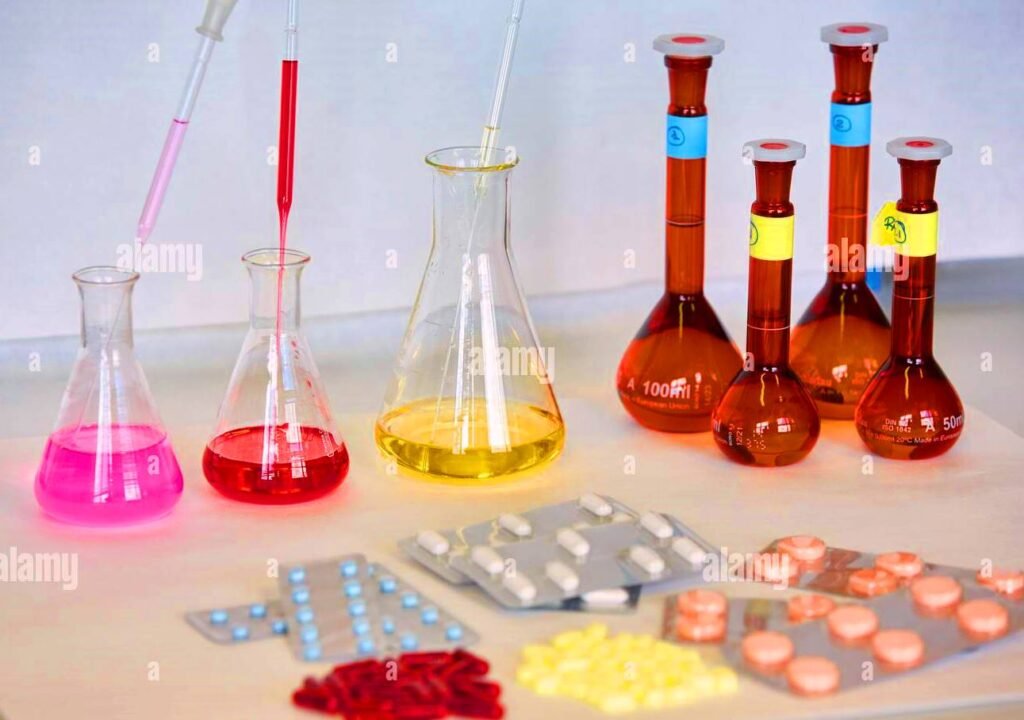
WHAT IS PHARMA FORMULATION?
DEFINITION OF FORMULATION DEVELOPMENT“
Formulation development is the process of turning a drug into a usable medicine by combining the active ingredient with excipients. It ensures stability, safety, and effectiveness of the dosage form, like tablets or capsules. The aim is to make medicines reliable, easy to use, and compliant with regulatory standards
ROLE IN DRUG DELIVERY
Ensures API stability and therapeutic effectiveness.
Improves bioavailability and absorption in the body.
Defines release profile (immediate, sustained, controlled).
Enhances patient compliance with suitable dosage forms.
Balances safety, efficacy, and convenience.
Converts drug molecules into usable medicines (tablets, capsules, liquids).
formulation development, dosage forms
Section 2: Key Components of Formulation
Formulation development is the backbone of pharmaceutical science, where the active drug is transformed into a safe, effective, and patient‑friendly dosage form. To achieve this, several key components are carefully selected and combined. Each plays a distinct role in ensuring stability, bioavailability, and therapeutic performance.
1. Active Pharmaceutical Ingredient (API)
The API is the core of any formulation, responsible for producing the intended therapeutic effect. Its chemical and physical properties—such as solubility, stability, and particle size—directly influence how the drug behaves in the body. A poorly soluble API may require special techniques like solid dispersions or nano‑formulations to enhance absorption. Thus, understanding the API’s characteristics is the first step in designing a successful dosage form.
2. Excipients
Excipients are inactive substances added to support the API. Though they do not have therapeutic action, they are critical for formulation performance. Common categories include:
- Binders: Provide cohesion to powders during tablet compression (e.g., starch paste, PVP K).
- Fillers/Diluents: Add bulk to formulations when API dose is small (e.g., lactose, microcrystalline cellulose).
- Disintegrants: Help tablets break apart in the gastrointestinal tract for faster drug release (e.g., sodium starch glycolate).
- Lubricants/Glidants: Reduce friction during manufacturing and improve powder flow (e.g., magnesium stearate, talc).
- Coating Agents: Protect tablets from moisture, mask taste, or control release (e.g., HPMC, ethyl cellulose).
Each excipient must be pharmaceutically acceptable, safe, and compatible with the API. Regulatory agencies like FDA and WHO maintain approved excipient lists to guide selection.
3. Dosage Form Design
The choice of dosage form—tablet, capsule, liquid, or injectable—depends on therapeutic goals, patient compliance, and API properties. For example, sustained‑release tablets are designed to release the drug gradually, improving convenience and reducing dosing frequency. Capsules may be preferred for APIs sensitive to compression, while liquids are ideal for pediatric or geriatric patients.
4. Packaging Components
Packaging is often overlooked but plays a vital role in protecting the formulation. Blister packs, bottles, or vials safeguard against moisture, light, and contamination. Packaging also ensures accurate dosing and enhances patient confidence.
5. Regulatory and Quality Considerations
Every component must comply with pharmacopeial standards and regulatory guidelines. Stability testing, compatibility studies, and Good Manufacturing Practices (GMP) ensure that the final product is safe, effective, and reproducible.
About US Gmail ID”: surjitthakur480@gmail.com
Mub. No.: 8082138624